
Considerations and Challenges:
1. Non-rebound Issue: The lack of a venting layer in the single-layer design may lead to non-rebound issues, especially during long-term or high-frequency usage, requiring design optimization.
2. Through-Hole Design: To address non-rebound issues, through-holes are typically added on the cover surface to improve ventilation and button rebound effects. However, the addition of through-holes may reduce dust-proof performance.
3. Dust-proof Issue: Adding through-holes may decrease the dust-proof performance of the switch, potentially affecting button performance and lifespan. Therefore, design optimization is needed to balance button rebound and dust-proof performance, such as adding sealing designs in critical areas or using a dual-layer structure to enhance dust-proofing.
4. Optimized Design: Through rational design and material selection, efforts can be made to minimize the impact of non-rebound and dust-proof issues. For example, using highly elastic metal materials and appropriate adhesive techniques can improve button rebound performance and lifespan.
In summary, the single-layer membrane switch has many advantages, but attention should be paid to its non-rebound and dust-proof issues during design and application. Through proper design and optimization, its overall performance and reliability can be enhanced.
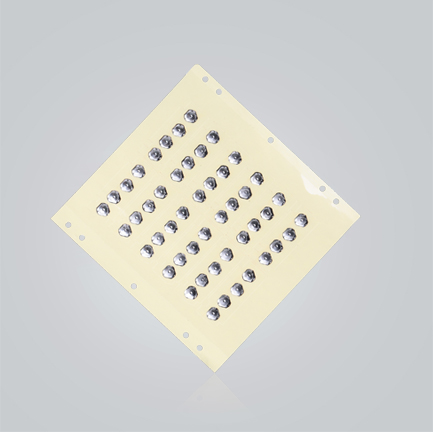
The single-layer membrane switch (Metal Dome Array) has advantages such as low cost and simple structure, but it also presents some challenges. Here are its characteristics and considerations:
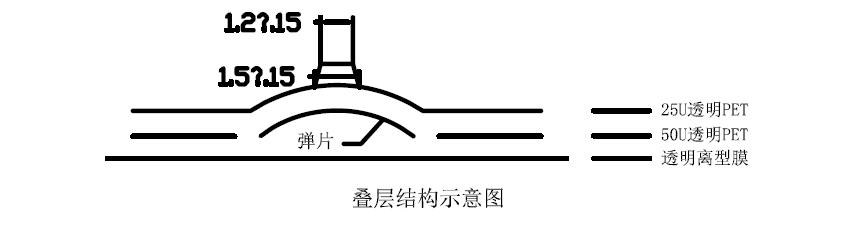
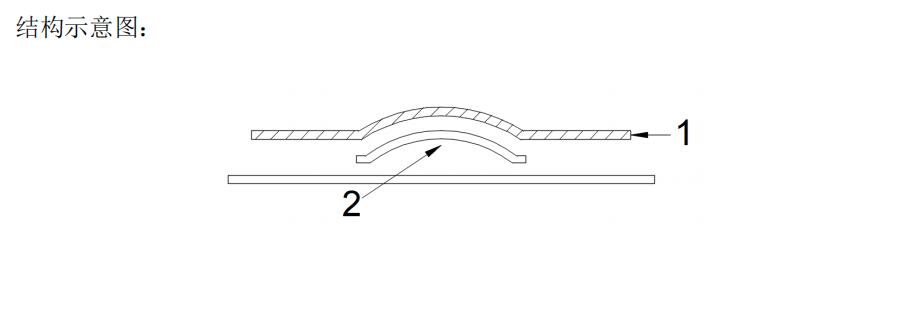
1. Simple Structure: The single-layer membrane switch consists of a metal dome (dome switch) and an adhesive layer, making it easy to manufacture and install.
2. Low Cost: Due to its minimal materials and simple manufacturing process, the single-layer membrane switch has low production costs, suitable for mass production applications.
3. Easy Installation: The metal dome is fixed onto the circuit board using self-adhesive or conductive adhesive, requiring no complex tools or processes for installation.
4. Good Tactile Feedback: The metal dome provides clear tactile feedback with a distinct "click" sound and sensation when pressed, enhancing user experience.
5. Flexible Dimensions: The single-layer membrane switch can be customized to various sizes and shapes to meet different application requirements and design specifications.
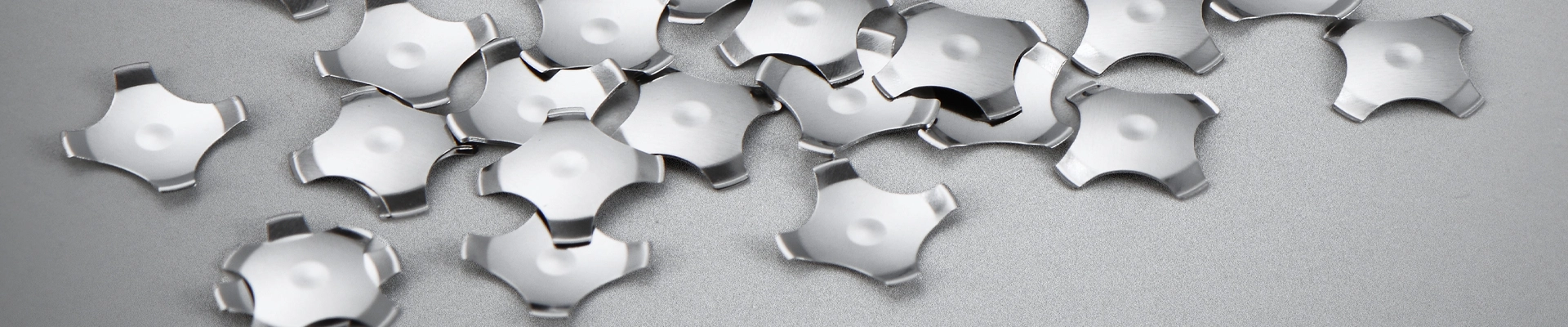
6. Excellent Conductivity: The metal dome material is typically stainless steel or nickel-silver alloy with good conductivity, ensuring stable and reliable signal transmission during button operation.
7. High Durability: Precision-designed and manufactured metal domes can withstand high-frequency pressing, typically enduring from tens of thousands to millions of press cycles.
8. Strong Adaptability: Suitable for various environmental conditions including different temperatures, humidity levels, and vibration environments, ensuring stable performance under harsh conditions.
9. Thin Design: The thin thickness of the single-layer membrane switch contributes to achieving slim designs for electronic products, meeting the demands for miniaturization and lightweight in modern electronics.
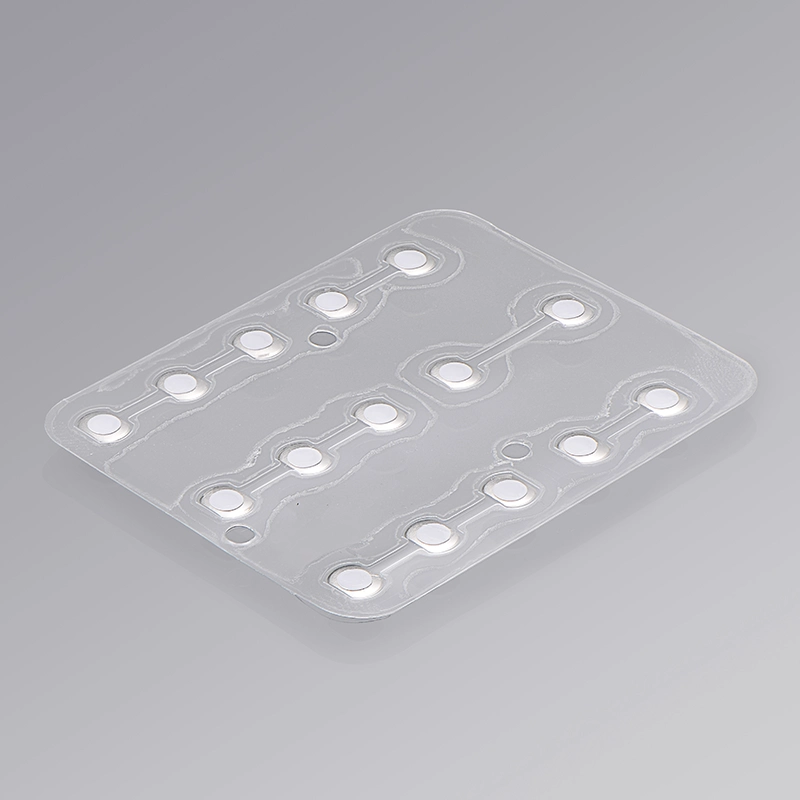
15-KEY, nickel-plated dome switches, waist-shaped 5mm Metal Dome Array with white PET spacer.The double-layer structured 15-key Metal Dome Array with a white PET adhesive spacer differs from a single-layer conductive film by incorporating an additional Spacer layer. This allows the domes to adhere better to the Mylar and maintain optimal contact with the circuit board, resulting in enhanced tactile feedback (reminiscent of the "dome" effect in membrane switches). Furthermore, the ventilation holes on the double-layer conductive film more effectively prevent the PET layer from being scratched by the sharp edges of the domes and deter dust from entering the PET layer. The PET spacer primarily serves to improve the structural conductivity height, thereby enhancing the tactile performance of the keys and providing a comfortable pressing experience during key actuation.
The main feature of the 'metal dome switch overlay with raised PET white dots' is its application in key switches of electronic products or remote controls, especially beneath buttons with a Raised button panel. This design aims to provide a more pronounced tactile feedback and operational experience. Additionally, the raised white PET dots serve as visual cues, making it easier for users to accurately locate button positions, thus enhancing usability and operational accuracy